







Why Unicorns Are Ghosting the Stock Exchange in 2025
SpaceX at US$400 bn, OpenAI at US$300 bn, Stripe at US$91 bn—none of them trade on any public exchange. Welcome to the quiet exodus that has pushed global IPO volume to a 30-year low and locked retail investors outside the velvet rope.
A market with the lights off
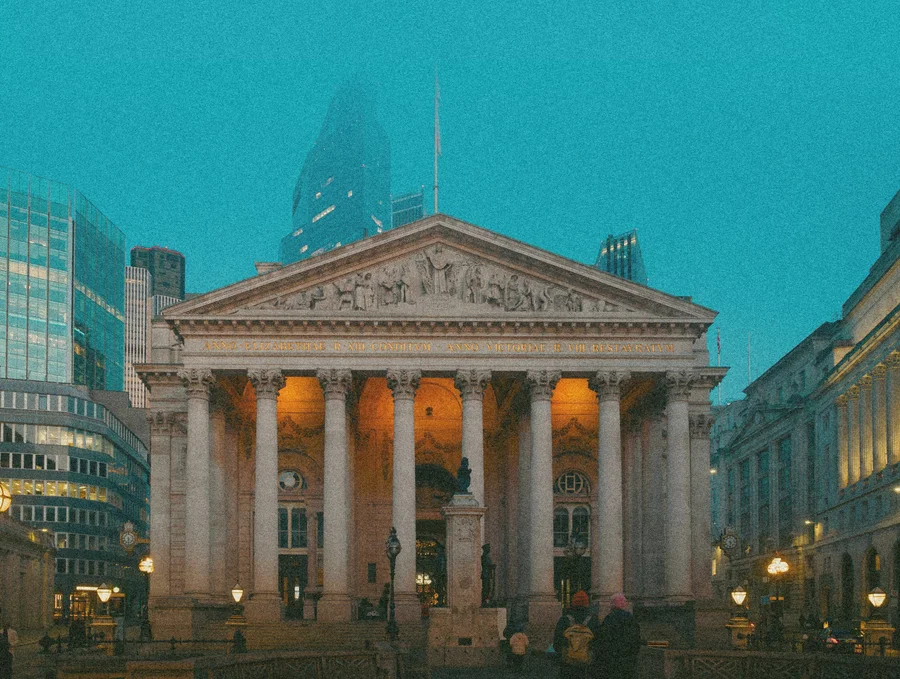
Only 15 companies have listed on the London Stock Exchange so far this year, down from 126 in 2021. The story is the same in New York and Hong Kong: the pipeline is dry because the private tap is gushing. State Street’s private-equity index now commands US$5.7 tn in assets—five times the size it held in 2007—giving founders an easier cheque than an S-1 prospectus.
Profits over projections
“Public investors want EBITDA, not sci-fi slides,” says John Blank, chief equity strategist at Zacks. After two years of rate hikes and tariff whiplash, the crowd that once paid 50-times sales for a story now demands cash flow and a path to dividends. Staying private lets management invest through cycles without the quarterly apology tour.
Private money, patient money
SoftBank, Microsoft, Saudi Arabia’s PIF and crossover funds such as Tiger Global have turned late-stage funding into a pseudo-IPO. Why endure lock-ups, roadshows and short-sellers when a single bilateral round can raise US$10 bn on bespoke terms? Stripe’s latest tender offer, for example, handed employees liquidity while the cap-table stayed comfortably private.
Figma’s cautionary ticker
When the design platform finally floated in July, only 8 % of its stock hit the market. Scarcity drove a 250 % pop, yet once insider lock-ups expired the price cratered 60 % in eight weeks—despite 41 % revenue growth. “The volatility wasn’t a business problem, it was a structure problem,” notes William Blair analyst Arjun Bhatia. Boards took notes: why risk a brand on algorithms that can gap your valuation 30 % before breakfast?
Consolidation > flotation
Tim Levene, CEO of Augmentum Fintech, predicts the next wave of exits will be trade sales, not tickers. Cash-rich giants like Apple, Nvidia and Alphabet can swallow a start-up whole, folding talent and tech into existing ecosystems without the integration headaches that come with public-market scrutiny.
The retail gap
For everyday savers, the math is stark: the companies shaping the future—AI labs, reusable rockets, payments rails—are accessible only to pension funds, sovereign wealth funds and venture arms of big tech. Until regulators force earlier public disclosure or private markets open fractional shares, the average investor’s exposure to hyper-growth tech will keep shrinking.
Bottom line
The IPO used to be the victory lap of Silicon Valley. In 2025 it feels more like a punishment beat: higher compliance, faster volatility, lower prestige. As long as private capital remains cheap and patient, the unicorns will keep grazing behind the fence—leaving public markets to wonder where all the growth went.