







Key Takeaway
Rob Greig, CIO of Arup, highlighted at the World Economic Forum that the ease of copying voices, images, and videos raises regulatory concerns for businesses considering synthetic content. Companies must navigate whether to inform customers when AI-generated voices are used. While some social media platforms label AI content, the effectiveness of detection systems varies. Additionally, the issue of consent is complicated when synthetic content involves deceased individuals, leading to ethical dilemmas for families confronted with AI recreations. Zelda Williams, a film director, has personally faced these challenges, underscoring the profound implications of synthetic media.
“It’s now easily accessible for individuals with minimal technical skills to replicate a voice, image, or even a video,” stated Rob Greig, Arup’s Chief Information Officer (CIO), at the World Economic Forum.
This regulatory void generates uncertainty for businesses considering the deployment of synthetic content systems.
For instance, customer service departments must determine whether to inform callers that they are interacting with AI-generated voices instead of human representatives.
To date, social media platforms have implemented labeling for AI-generated content in certain instances, but the execution is inconsistent, and detection technologies often lag behind the capabilities of content generation.
Business platforms like LinkedIn have not yet established policies regarding synthetic professional profiles or AI-generated business content.
The issue of consent becomes especially intricate when synthetic content involves individuals who have passed away. Social media now offers tools that claim to “bring your loved ones back to life” through animated images, creating a market for AI recreations of people who cannot provide consent.
Consequently, families are faced with synthetic representations of relatives they never authorized.
The deeply personal consequences
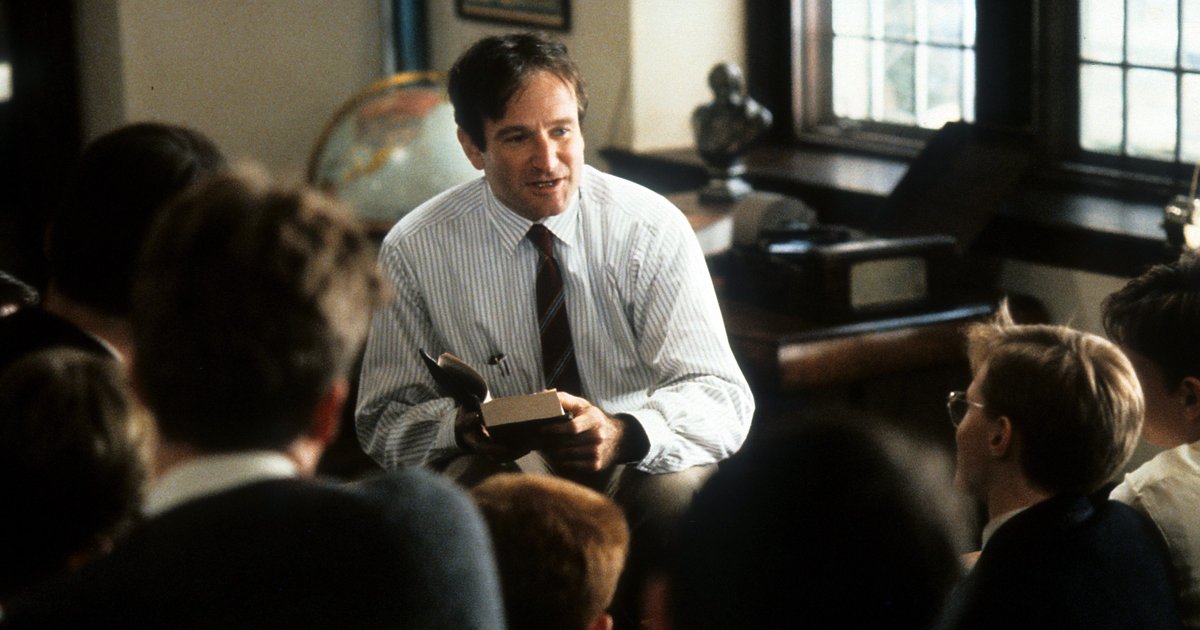
Zelda Williams, a film director, has faced this ethical dilemma firsthand.