









Key Takeaway
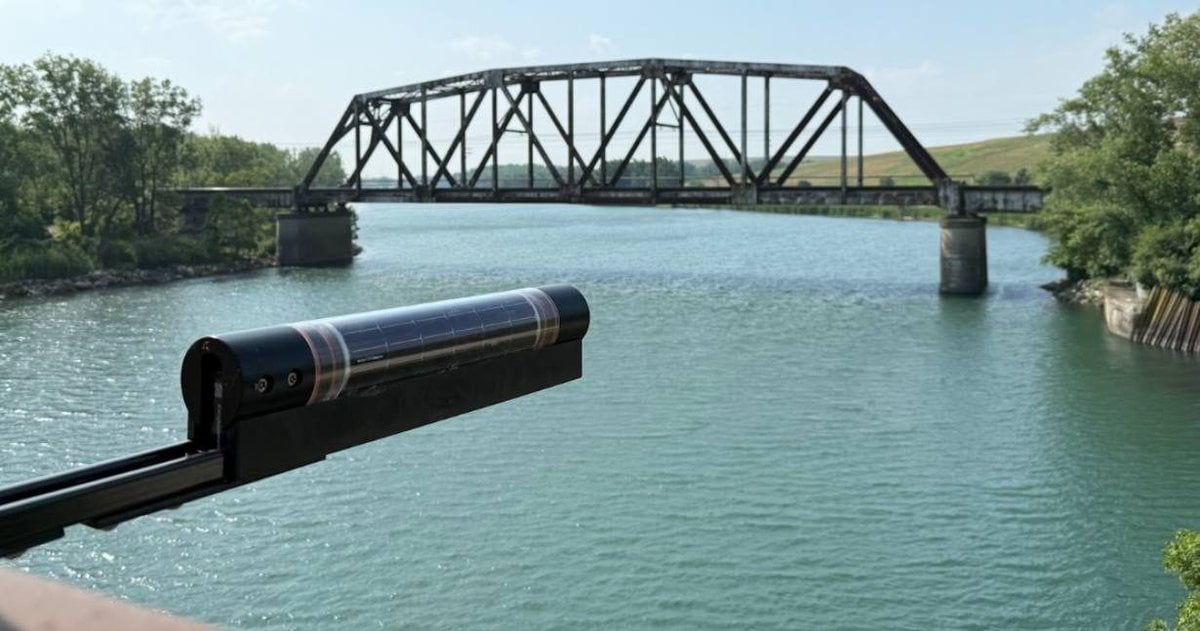
The initiative focuses on addressing urban flooding concerns exacerbated by severe weather and increased impervious surfaces. By deploying low-cost sensor technology, the project aims to provide advance flood warnings, enhancing proactive management over reactive responses. This Chicago initiative showcases how telecommunications infrastructure can bolster municipal disaster preparedness. The sensors will identify flooding hotspots and guide future infrastructure investments in vulnerable areas. If successful, this approach could significantly impact the U.S. climate change response. Leaders express commitment to ongoing innovation and investment in technologies that benefit communities facing these challenges.
Investing in Infrastructure
This deployment addresses rising concerns about urban flooding as severe weather events become more frequent and intense.
Increased urban development has led to more impervious surfaces, diminishing the ground’s natural ability to absorb water.
“We’re focused on helping crews and communities prepare for floods — up to an hour before one strikes,” Brandon states.
The low-cost sensor technology marks a shift towards proactive flood management instead of reactive emergency responses.
The Chicago initiative showcases how telecommunications infrastructure can enhance municipal disaster preparedness efforts beyond conventional communication services.
Data from the sensors will pinpoint flooding hotspots and guide future infrastructure investment decisions in the city’s most vulnerable areas.
If successful, this hardware could significantly impact the US’s climate change response moving forward.
“We’re excited to launch these flood sensors in Chicago,” says Donna, “and we’ll continue to invest and innovate to deliver game-changing technologies to the communities that need them most.”