









Key Takeaway
FPT’s competitive advantage lies in its integrated education system, managed by Nguyen Khai Hoan, which oversees 150,000 learners from elementary to university levels. The company emphasizes internal training, with students focusing on English in their first year and incorporating martial arts for discipline. This educational foundation contributes to a staff turnover rate below 10%, significantly lower than the 20-30% common in Indian tech hubs. FPT fosters a family culture, ensuring employees feel valued. Additionally, FPT supports orphans through its Hope Schools, providing education and a brighter future for those affected by the COVID crisis.
FPT’s unique advantage lies in its integrated education system.
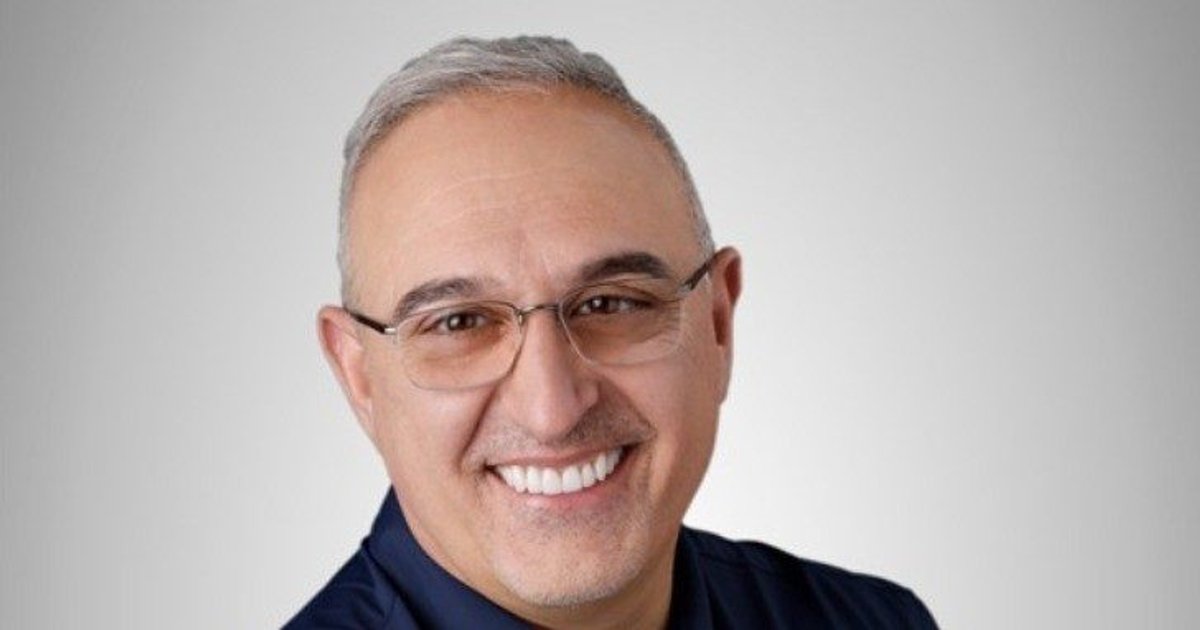
Nguyen Khai Hoan, Senior Executive Vice President and Chief Financial Officer as well as Chief Operating Officer at FPT Software, describes it as a comprehensive talent pipeline under his guidance.
“We manage 150,000 learners from elementary education through training and university,” Mr. Hoan explains.
“From the very start, we have been highly focused on all of our internal training and education.”
At the company’s university, students spend their first year mastering English before advancing to technical subjects, with martial arts incorporated into their daily routines.
“It’s about discipline and concentration,” Mr. Hoan states. This approach embodies what he refers to as the “FPT DNA” – a data-driven, engineering-centric culture established by the company’s mathematician founders.
This educational foundation results in significantly lower staff turnover compared to other offshore locations.
While Indian technology hubs often experience churn rates of 20% to 30%, FPT maintains levels below 10%.
“People want to stay and work for FPT. They’re well cared for. There’s a genuine family culture,” Scrivens remarks.
The company’s commitment extends beyond commercial education.
Mr. Hoan explains that FPT also runs schools for orphans, known as Hope Schools.
“Many individuals lost their families during the COVID crisis, and we welcomed those students, supporting them and providing a new future and direction for their lives,” he explains.