









Key Takeaway
Beko’s strategy responds to growing consumer demand for sustainability in Europe, addressing cost barriers to eco-friendly choices. CEO Hakan Bulgurlu emphasizes refurbishment as a key method to reduce waste while maintaining quality. The company’s refurbishment center in Peterborough, UK, manages over 100,000 spare parts and conducts quality audits on 30% of refurbished units. Beko is expanding its refurbishment efforts across Europe, aiming to reintroduce over 75% of returned products in Romania and refurbishing appliances in Italy for lower market prices. This circular strategy aims to create savings for both Beko and its customers.
Meeting Consumer Demand
This strategy aligns with a shift in consumer priorities across Europe, where sustainability increasingly influences purchasing decisions.
The program addresses a common obstacle to sustainable choices: the often higher associated costs.
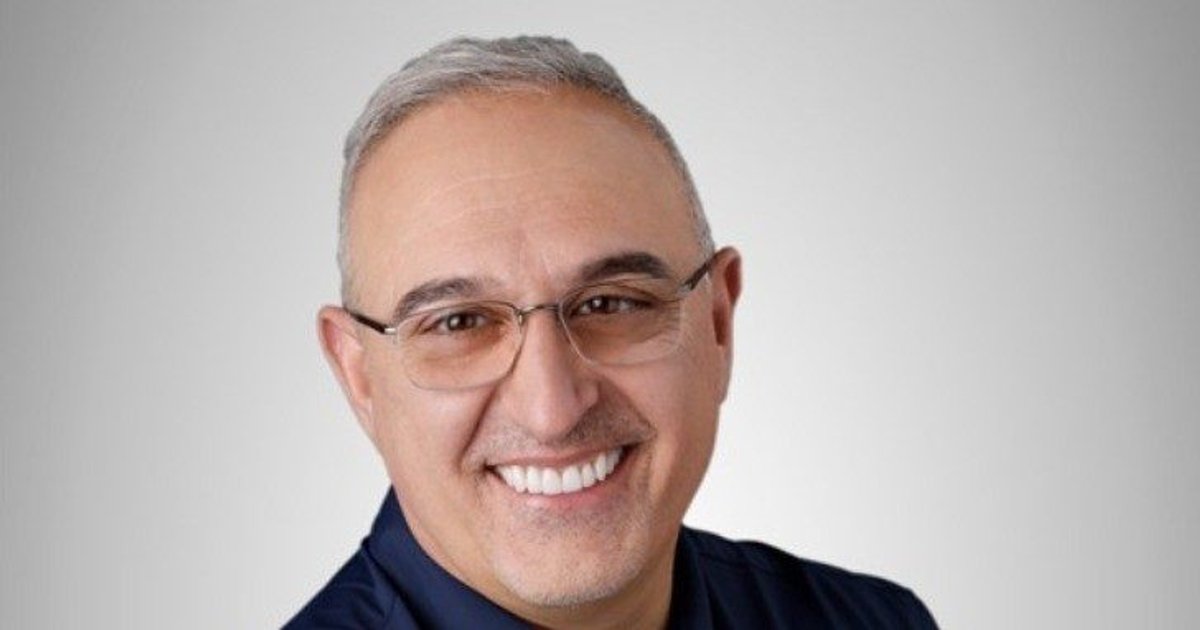
According to Hakan Bulgurlu, Chief Executive Officer of Beko: “Refurbishment is one of the smartest ways to reduce waste while meeting the high standards our customers expect. It’s a clear demonstration of our commitment to building a more sustainable future.”
Beko’s refurbishment center in Peterborough, UK, manages an inventory of over 100,000 spare parts and 55 types of packaging.
It conducts quality audits on as many as 30% of refurbished units across various product categories.
Beko is now expanding its refurbishment initiatives throughout Europe. In Romania, Beko aims to reintegrate over 75% of returned products into circulation.
Meanwhile, its facility in Carinaro, Italy, is refurbishing an increasing number of appliances, including washing machines and dishwashers, for reintroduction to the market at reduced prices.
Through these efforts, Beko’s circular strategy is designed to create savings for both the business and its customers.