





Key Takeaway
The UK has enacted the Online Safety Act to protect children from harmful online content, effective July 25. While aimed at child protection, the legislation has faced criticism for potentially overreaching and infringing on freedom of expression. Notably, X (formerly Twitter) and its owner Elon Musk have been vocal opponents, claiming the Act suppresses free speech despite its intentions. They argue that the law risks increasing censorship under the guise of safety, raising concerns about whether the public fully comprehends the implications of such regulations. The UK is now a focal point for balancing child protection and free expression in the digital age.
After years of consultation and development, the UK has enacted its Online Safety Act, a law designed to safeguard children from harmful online content.
Since the regulations took effect, the UK government has faced criticism, with some voices claiming that the Act represents an overreach.
This legislation, which became effective on 25 July, has placed Britain in the spotlight as a case study on how democracies balance child protection with freedom of expression in an internet-driven era.
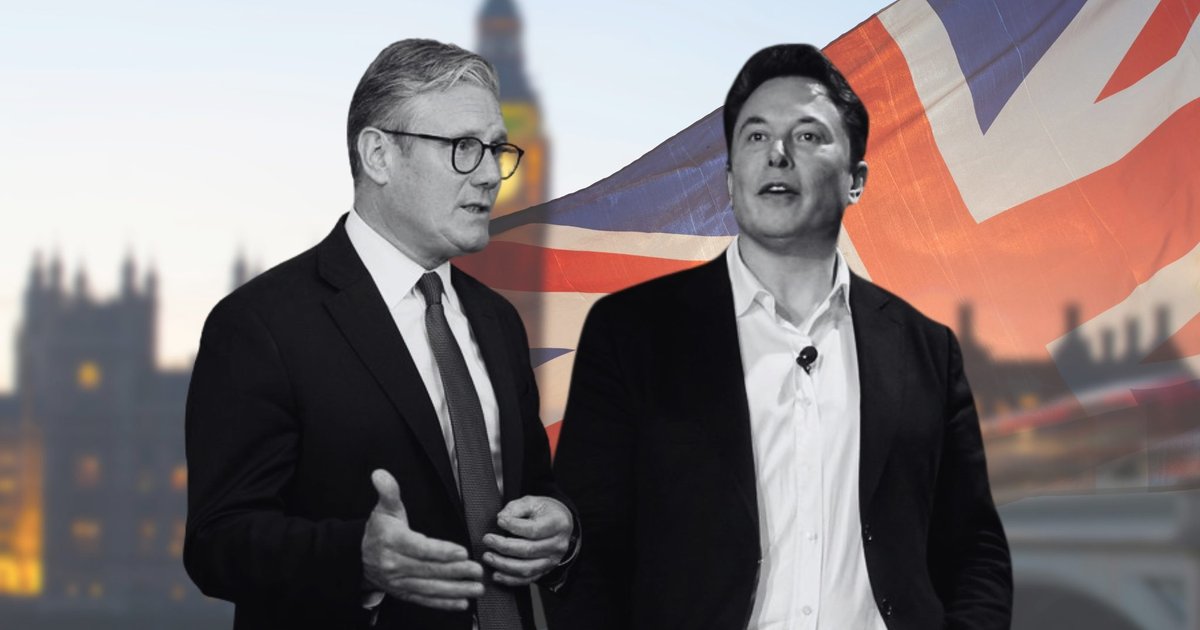
X, previously known as Twitter, has emerged as one of the most vocal opponents of these new regulations, with owner Elon Musk asserting that the regulations equate to a “suppression of the people.”
The social media platform has released a harsh statement contending that the Act threatens to “seriously infringe” upon free speech rights, despite its “laudable” aim of protecting children.
“Many are now worried that a plan seemingly designed to keep children safe may end up seriously infringing on the public’s right to free expression,” the company states in an official response to the UK Government.
The company contends that UK lawmakers made a “conscientious decision” to enhance censorship under the guise of online safety, questioning whether British citizens fully grasped this trade-off.