









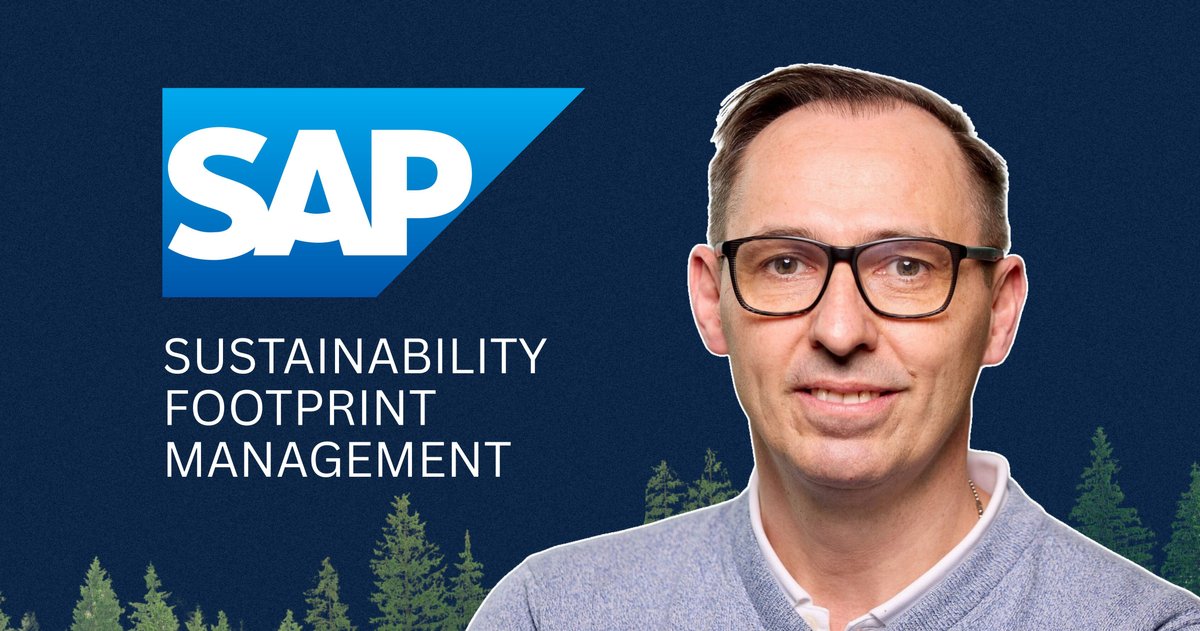
Key Takeaway
The redevelopment of SAP’s platform aims to transform sustainability into a driver of long-term business value, according to Gunther Rothermel, Co-General Manager and Chief Product Officer. The tool serves as an ERP-centric, AI-enabled foundation for calculating and managing environmental impacts. It integrates business data from SAP Cloud ERP with energy flow and supplier information to automate environmental footprint calculations at both corporate and product levels. This marks a shift from traditional sustainability reporting, which often relies on separate systems, allowing for integrated and actionable insights from previously fragmented data.
Integrating Footprint Analysis with Core Operations
The platform’s redevelopment is designed to “transform sustainability into a catalyst for long-term business value,” says Gunther Rothermel, Co-General Manager and Chief Product Officer at SAP Sustainability.
He characterizes the tool as an “ERP-centric, AI-enabled foundation that assists in calculating, analyzing, and managing your company’s environmental impacts.”
The system functions by sourcing business data directly from SAP Cloud ERP.
It combines this essential information with energy flow data and supplier details to automate the calculation of environmental footprints at both the corporate and product levels.
This integration with critical business processes such as finance and procurement represents a shift from traditional sustainability reporting, which is often handled in isolated systems.
Gunther adds, “SAP Sustainability Footprint Management can transform fragmented data into integrated, actionable insights.”